News Guidance

📰 NEWS GUIDANCE
👋 HI, IT'S RONAN AGAIN!
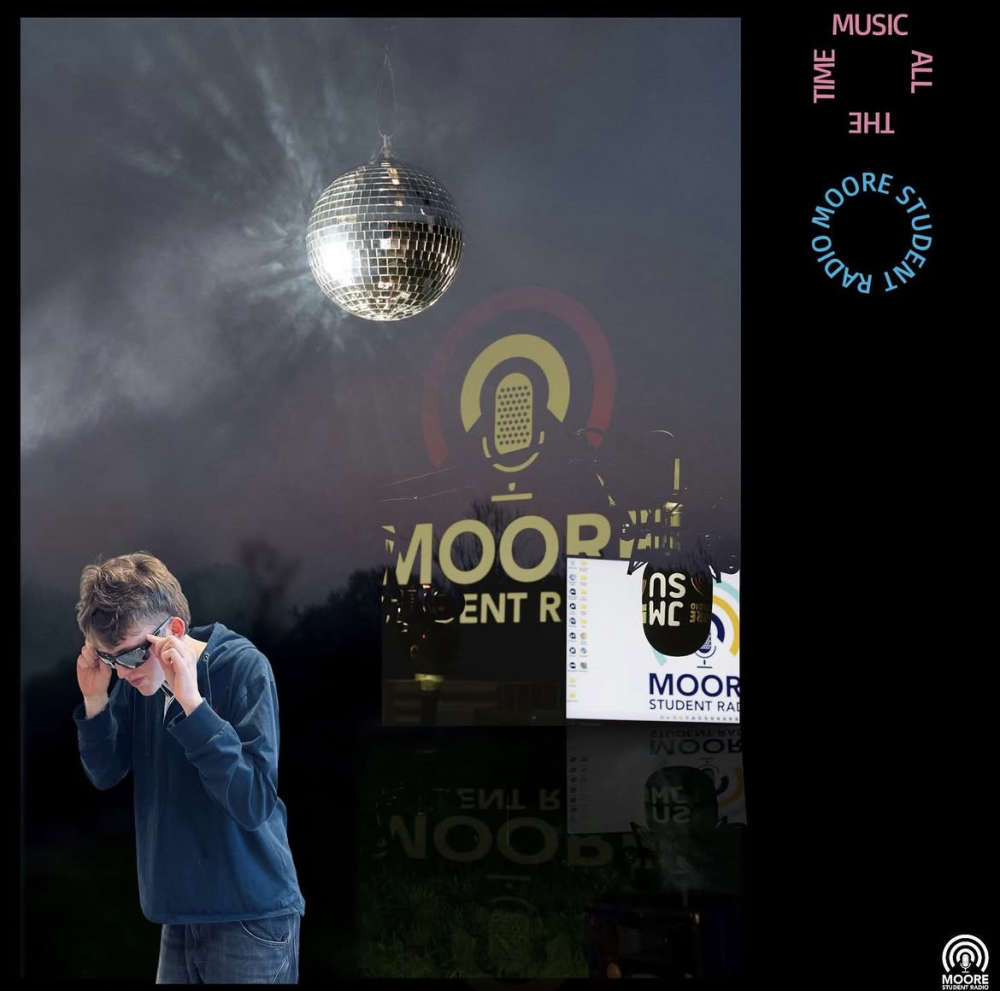
Hi, I’m Ronan Patterson, the Website Manager at Moore Student Radio! 🎙️
If you’re writing news for the website, I’m here to help you turn your story into something people actually want to read.
The big thing to remember is:
📍 LOCAL FIRST.
Our main focus is the Merseyside news patch.
Want to write about a national story or issue? No problem! 🌎 Just try to find a Liverpool or Merseyside angle that makes it relevant to our audience.
Think: “Why should someone in Merseyside care about this?”
🔎 BEFORE YOU WRITE
1. 🕵️ GATHER THE FACTS
Before you start writing, find out what actually happened.
Think about the 5 Ws + H:
👤 WHO is involved?
📰 WHAT happened?
📅 WHEN did it happen?
📍 WHERE did it happen?
❓ WHY does it matter?
🔎 HOW did it happen?
Get your facts straight before you start writing.
2. 🚨 CHOOSE A NEWSWORTHY STORY
Pick something that is:
🆕 Current
📍 Relevant
👥 Interesting to your audience
💥 Impactful
The best stories are ones that give people a reason to stop scrolling and start reading.
3. 🗂️ ORGANISE YOUR INFORMATION
Before you write, get your key information together.
Try making a quick list:
WHO:
WHAT:
WHEN:
WHERE:
WHY:
HOW:
It might only take a minute, but it can make writing the whole story much easier.
✍️ WRITING THE ARTICLE
1. 📰 WRITE A CATCHY HEADLINE
Your headline is the first thing people see.
Make it interesting and attention-grabbing, but don't clickbait.
Your reader should know what the story is about straight away.
2. ⚡ WRITE A STRONG LEAD
Your opening paragraph needs to get straight to the point.
Give the reader the most important information and answer as many of the 5 Ws as possible.
Don't make people wait for the story.
3. 🔻 USE THE INVERTED PYRAMID
Think most important → least important.
Put your biggest and most relevant information at the top, then add the extra details further down.
If someone only reads the first few paragraphs, they should still understand the story.
4. ✂️ KEEP IT CLEAR & CONCISE
Short sentences.
Short paragraphs.
Simple language.
Don't use ten words when five will do.
Make it easy to read.
5. 🎙️ USE ACTIVE VOICE
Keep your writing direct and energetic.
Active writing makes your story feel more immediate and keeps the reader moving through the article.
6. 💬 USE CREDIBLE QUOTES
Quotes can bring your story to life.
Use comments from reliable and relevant sources to add information, personality and different perspectives.
And always make sure your quotes are accurate.
7. 👀 GUIDE YOUR READER
Don't give your reader a giant wall of text.
Use:
Headings
Short paragraphs
Quotes
Images
Clear transitions
Make your article easy to scan.
✅ AFTER YOU WRITE
✂️ BE A RUTHLESS EDITOR
Read your story again.
Cut anything that doesn't need to be there.
If you can say it better, say it better.
🔊 READ IT OUT LOUD
Reading your story aloud is one of the easiest ways to spot awkward sentences, repetition or anything that doesn't quite sound right.
Remember — this is radio as well as online, so make sure it sounds good when spoken too! 🎙️
🔎 CHECK YOUR FACTS
Before you publish, check everything.
Make sure your story is:
✅ Accurate
✅ Well researched
✅ Based on reliable sources
✅ Clear about where information comes from
Never guess. If you're not sure, check it.
🎙️ ONE LAST THING...
Don't be afraid to have your own style.
We're a student radio station, so we want student voices, student stories and stories that actually matter to our community.
📍 Think local.
📰 Tell the story.
🎙️ Find the voice.
✨ Make people care.
Good luck — and happy reporting! 📰🎙️
Ronan Patterson
Website Manager
Moore Student Radio
Recently Played
-

Joy. (Feat. Amma & Absolutely)
Raye -

Talk To You
Anotr -

Fever Dream
Alex Warren -

Terminally Verbal
Meek -

Aperture
Harry Styles
Weather
-
 Mon
Mon20°C
-
Tue
17°C
-
 Wed
Wed14°C
-
Thu
15°C
-
Fri
17°C